
Quick Answer: Yes, most bathroom remodels in San Diego need a permit if you’re moving plumbing, changing electrical, or altering walls. If you’re searching for a bathroom remodel permit Coronado requirement specifically, fees typically run $300–$900 through San Diego’s Development Services Department, with approval taking 1–3 weeks for standard review. Homes in coastal zones or historic districts face extra review layers that can add several weeks.
Ripping out a tub and moving the shower drain three feet feels like a simple weekend project, until you realize San Diego’s building code says otherwise. Here’s the direct answer: if your bathroom remodel touches plumbing lines, electrical circuits, or structural walls, you need a permit from the City of San Diego, and skipping it can cost you far more than the fee ever would. San Diego’s Development Services Department (DSD) reviews these permits, and homes near the coast or inside a historic district face additional layers most homeowners don’t expect. This guide walks through exactly when you need a permit, what it costs, how long it takes, and how neighborhoods like La Jolla, Ocean Beach, Kensington, and Mission Hills handle the process differently. Get a free estimate from a licensed San Diego contractor before you start tearing out tile.
Do You Need a Permit for a Bathroom Remodel in San Diego?
Yes, in San Diego you need a permit for any bathroom remodel that involves moving plumbing fixtures, adding or relocating electrical circuits, removing load-bearing walls, or changing the footprint of the room. Cosmetic work like repainting, replacing a mirror, or swapping a light fixture in the same location typically doesn’t require one.
The line gets blurry fast. Swapping a toilet in the exact same spot with the same rough-in? No permit needed. Moving that same toilet 18 inches to open up a walk-in shower? That’s a plumbing permit, full stop. Adding a second sink, converting a tub to a curbless shower, or relocating a vent fan through the roof line all trigger permit review under the California Plumbing Code and California Electrical Code as adopted locally by San Diego.
A homeowner in the North Park neighborhood recently gutted a 55 sq ft hall bathroom, relocating the shower drain and adding a new GFCI circuit for a heated floor. That combination of plumbing and electrical work required both a building permit and separate trade permits, pulled through San Diego’s Development Services Department before demo even started. Skipping that step would have meant redoing the work later, at the buyer’s expense, when the home eventually sold.
So the honest rule of thumb: if you’re touching pipes, wires, or walls, assume you need a permit and confirm with DSD before you start.
What Bathroom Remodel Permits Cost and How Long They Take in San Diego
In San Diego, a typical bathroom remodel permit costs $300–$900 depending on project scope, and standard plan review takes 1–3 weeks. Projects with structural changes or additions can take 4–8 weeks if they require a full plan check.
Fees are based on valuation of the work and the number of trade permits involved (plumbing, electrical, mechanical). A simple fixture relocation might pull a combined plumbing and building permit for under $400, while a full gut-and-reconfigure with a new tub-to-shower conversion, moved walls, and a new exhaust fan run can push past $800 once all trade permits are added in.
| Permit Type | Typical Scope | Estimated Cost | Typical Timeline |
|---|---|---|---|
| Over-the-counter (OTC) permit | Fixture replacement in same location, minor electrical | $150–$350 | Same day to 3 days |
| Standard plumbing/electrical permit | Relocated fixtures, new circuits, vent fan changes | $300–$600 | 1–2 weeks |
| Combination building permit | Wall changes, footprint changes, structural work | $500–$900 | 3–8 weeks |
| Coastal Development Permit (if applicable) | Homes within the Coastal Overlay Zone | $500–$2,500+ (varies by exemption tier) | Additional 4–12 weeks |
Those numbers assume a straightforward residential remodel. Add in a historic overlay review or coastal review, and both cost and timeline stretch out considerably. If you’d like an accurate quote for your specific bathroom, a licensed contractor experienced with San Diego permitting can price the project and the permit process together, so there are no surprises once demo starts.
How to Apply for a Bathroom Remodel Permit Through San Diego’s Development Services Department
You apply for a bathroom remodel permit through San Diego’s Development Services Department, either online through the Online Permitting System or in person at the DSD’s Development Services Center. Most bathroom remodels qualify for OTC or expedited review rather than a full plan check.
The process generally follows the same sequence for every applicant:
- Submit a permit application with a site plan and, for larger projects, construction drawings showing plumbing and electrical layout changes
- Pay applicable plan review and permit fees based on project valuation
- Receive plan review comments, if any, and respond with corrections
- Schedule inspections at key stages: rough plumbing, rough electrical, and final inspection before covering walls
- Get final sign-off from a DSD inspector before the bathroom is considered code-compliant
For a simple fixture swap or minor electrical work, DSD’s OTC counter can often issue a permit the same day. For remodels involving new walls, moved plumbing stacks, or structural framing changes, expect a longer plan check cycle, especially if the project also needs sign-off from the Public Utilities Department for sewer lateral work.
Most homeowners find the paperwork itself isn’t hard, it’s knowing which drawings DSD wants and in what format that trips people up. That’s the part a contractor who pulls permits regularly can handle without back-and-forth delays.
Do Coastal Neighborhoods Like La Jolla and Ocean Beach Face Extra Permit Rules?
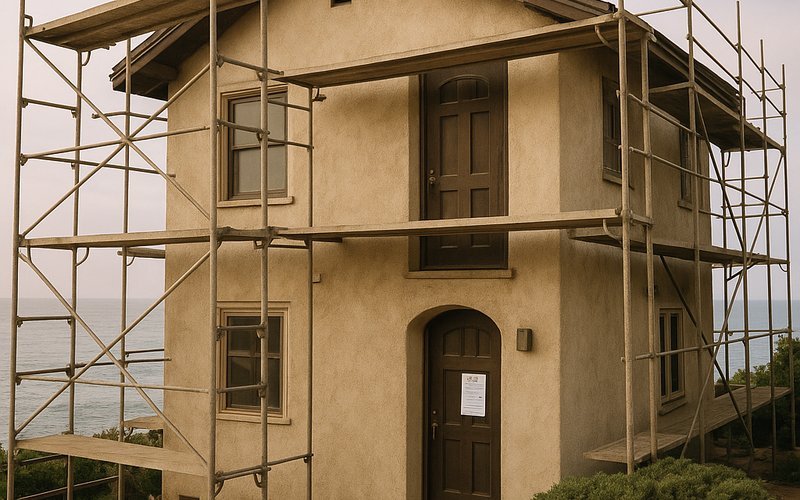
Yes, homes in San Diego’s Coastal Overlay Zone, which includes La Jolla and Ocean Beach, may need a Coastal Development Permit or a coastal exemption review in addition to standard building permits. Whether a bathroom remodel triggers this depends on the property’s proximity to the coastline and whether the work is interior-only.
Interior remodels that don’t change the exterior footprint or roofline often qualify for a coastal exemption, meaning DSD can issue the permit without a full Coastal Development Permit. But if your bathroom remodel involves adding a window, changing exterior plumbing vents, or any exterior modification visible from a public viewshed, that changes the calculus.
There’s also a practical, non-regulatory factor unique to coastal properties: moisture. Homes in La Jolla and Ocean Beach sit in a salt-air environment that accelerates corrosion on standard fixtures, fasteners, and even some drywall assemblies. Contractors working in these areas typically spec moisture-resistant backer board, stainless or coated fasteners, and better ventilation fans rated for higher humidity cycling, not because code strictly requires it in every case, but because standard materials fail faster this close to the ocean.
If your property sits within the Coastal Overlay Zone, it’s worth confirming exemption status with DSD before finalizing your scope of work. A remodel that seems purely cosmetic can still require coastal review if it touches plumbing vents that penetrate the roof.
What If Your Home Is in a Historic District Like Kensington or Mission Hills?
Homes in San Diego’s designated historic districts, including parts of Kensington and Mission Hills, may require review by the Historical Resources Board or staff-level historical review before a bathroom remodel permit is issued, even for interior work in some designated structures.
The key question DSD and historical staff ask is whether the home is individually designated, listed on a historic resources survey, or sits within a historic district boundary. Interior bathroom work in a non-designated home within a historic district generally proceeds through standard permitting. But if the home itself carries individual historic designation, changes to original fixtures, tile, or even plumbing chases inside historic walls can require additional documentation showing the work preserves character-defining features.
A homeowner in Mission Hills remodeling a 1920s bungalow’s original bathroom found that while the interior work itself wasn’t restricted, DSD flagged the project for a brief historical staff review because the home appeared on the city’s historic resources inventory. That review added roughly two weeks to the timeline but didn’t require design changes since the work stayed inside the existing footprint.
If you’re unsure whether your home carries a historic designation, San Diego’s Development Services Department maintains records you can request before submitting your permit application. It’s a five-minute check that can save weeks of delay later.
What Happens If You Skip the Permit on a San Diego Bathroom Remodel?
Skipping a required bathroom remodel permit in San Diego puts you at risk of stop-work orders, retroactive permit fees that can double the original cost, and forced demolition of completed work if it fails inspection after the fact. It also creates serious problems when you sell the home.
Here’s what typically happens when unpermitted bathroom work surfaces, usually during a home sale, insurance claim, or neighbor complaint:
- DSD issues a code enforcement notice requiring you to either permit the work retroactively or remove it
- Retroactive permits often carry investigation fees on top of standard permit costs, sometimes doubling total fees
- An inspector may require opening up finished walls to verify plumbing and electrical work meets code, since there’s no way to inspect what’s already covered
- Buyers’ lenders or appraisers can flag unpermitted work, delaying or killing a sale until it’s resolved
- Home insurance claims related to water damage or electrical fire can be denied if the responsible work was unpermitted
Honestly, most contractors will tell you the permit fee is the cheapest part of the entire project. The real cost of skipping it shows up years later, at the worst possible time, usually during escrow when a buyer’s inspector notices a shower that doesn’t match any permit history on file with the city.
Common Mistakes That Delay Bathroom Remodel Permits in San Diego
The most common reason a bathroom remodel permit gets delayed in San Diego is incomplete or inaccurate plans submitted to Development Services Department, followed closely by missed inspections and scope creep after work begins.
These are the mistakes that show up again and again:
- Submitting plans that don’t clearly show existing versus new plumbing and electrical layouts, forcing a resubmittal cycle
- Starting demo before the permit is actually issued, which can trigger a stop-work order mid-project
- Skipping the rough-in inspection before closing up walls, which means an inspector may require reopening finished drywall
- Expanding scope mid-project, such as deciding to move a wall after the permit was already approved for a smaller footprint
- Not accounting for coastal or historic overlay review timelines when scheduling contractor start dates
A remodel in the Bay Park area stalled for almost three weeks because the original permit only covered fixture replacement, but the homeowner decided mid-demo to widen the shower opening, which meant a wall relocation that hadn’t been permitted. The project had to pause while an amended permit went through DSD review. Locking in your final layout before submitting saves this exact headache.
How a San Diego Contractor Handles Your Permit for You
A licensed San Diego contractor typically pulls the bathroom remodel permit on your behalf, prepares the plans DSD requires, schedules inspections, and manages any coastal or historic review, so you’re not the one navigating Development Services Department paperwork alone.
This matters more than it sounds like. A contractor who regularly pulls permits in San Diego knows which projects qualify for OTC issuance versus full plan check, knows the specific documentation DSD wants for plumbing relocations, and has existing relationships with inspectors that keep scheduling tight instead of stretched over weeks of back-and-forth.
Royalty Design & Build handles bathroom remodeling permit work as a standard part of every project, coordinating plumbing, electrical, and building permits together so inspections happen in the right order the first time. That coordination is especially valuable for homes near the coast or inside historic districts, where an extra review step can catch homeowners off guard if nobody flagged it upfront.
If you’re comparing contractors, ask directly how many bathroom remodel permits they’ve pulled through San Diego’s DSD in the last year, and ask to see a recent example. A contractor who can name the specific inspector types and review timelines from memory has actually done this before, not just read about it.
Next Steps for San Diego Homeowners Planning a Bathroom Remodel
Your next step is confirming whether your specific project needs a permit, then getting a written scope from a licensed San Diego contractor before you touch a single tile. In San Diego, that means checking your property against the Coastal Overlay Zone and historic resources inventory early, not after demo has already started.
Start by listing out exactly what’s changing: fixture locations, electrical additions, wall changes, and ventilation. That list determines which permit type applies and roughly what timeline you’re working with, whether that’s a same-day OTC permit or an 8-week full plan check with coastal review layered on top.
If you’re also weighing a bathroom remodel against other renovation projects, it helps to see how the numbers stack up. Homeowners comparing return on investment often look at how a kitchen remodel compares to a room addition in San Diego before committing budget to one project over another, and it’s worth reviewing overall whole home remodel costs in San Diego if the bathroom is part of a bigger renovation plan.
Whatever the scope, don’t submit permit paperwork blind. Talk to a contractor who pulls permits through San Diego’s Development Services Department regularly, get your timeline and cost expectations locked in writing, and avoid the delays that catch first-time remodelers off guard. Reach out for a free estimate and permit consultation before your project timeline gets set in stone.