
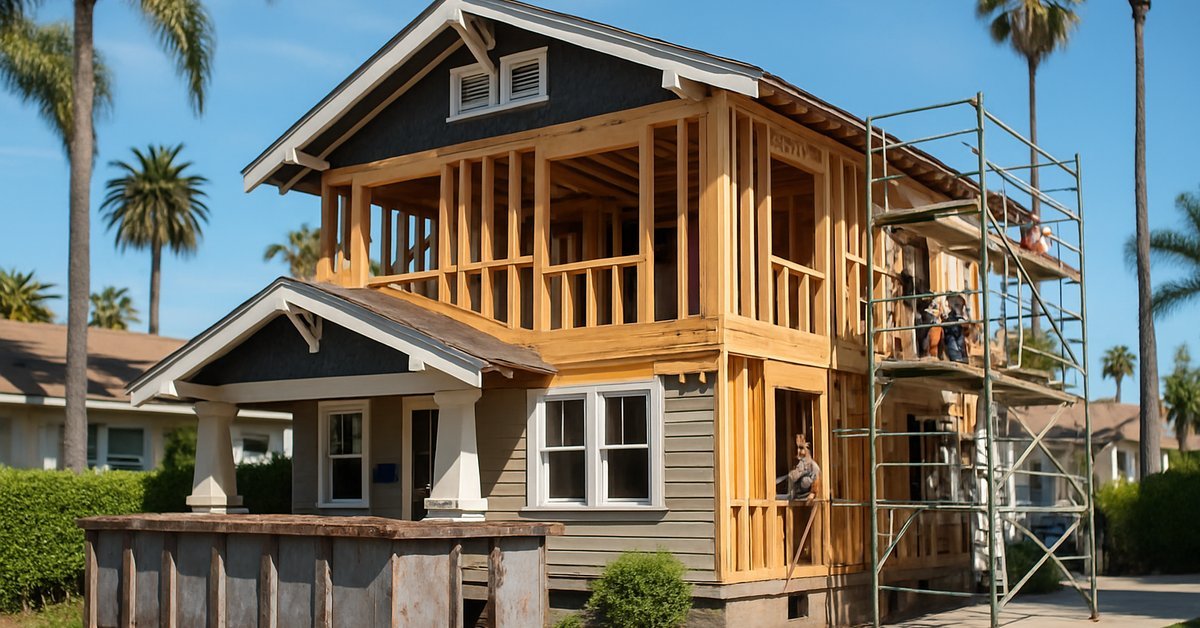
If you’ve been searching for a realistic whole home remodel timeline San Diego homeowners can actually rely on, you’re probably tired of hearing “6 to 8 months” only to watch month 14 roll around while you’re still waiting on cabinet hardware. A realistic whole home remodel timeline in San Diego runs 9 to 18 months for most full-home luxury projects, and that range is driven by factors most contractors won’t spell out upfront. San Diego’s permitting environment, coastal overlay zones, and tight subcontractor market all add weeks that don’t show up in early estimates. This guide walks you through every phase, names the real local variables, and gives you the honest buffer time you need to plan your life around a major renovation.
Get a free estimate from a licensed San Diego contractor before you commit to any timeline.
How Long Does a Whole-Home Remodel Actually Take in San Diego?
In San Diego, a whole-home remodel timeline breaks into six distinct phases, each with its own time range depending on home size, scope, and neighborhood. A 1,500 sq ft home with standard DSD permit review can realistically finish in 9–12 months. A 3,000+ sq ft home with structural changes, kitchen, multiple bathrooms, and living spaces is looking at 14–18 months, sometimes longer if you’re in a coastal overlay zone.
| Phase | 1,500 sq ft Home | 3,000+ sq ft Home | Notes |
|---|---|---|---|
| Design & Architecture | 6–8 weeks | 10–12 weeks | Longer with structural changes or ADU additions |
| Permit Submittal & Review (DSD) | 8–12 weeks | 12–16 weeks | Add 4–6 weeks for historic or coastal overlays |
| Demolition | 1 week | 1–2 weeks | Hazmat testing adds 1–2 weeks if needed |
| Rough Framing & MEP (Mechanical, Electrical, Plumbing) | 4–6 weeks | 6–8 weeks | Inspection holds can pause this phase |
| Finishes & Fixtures | 6–8 weeks | 8–12 weeks | Custom orders must be pre-staged |
| Punch List & Final Inspection | 2–3 weeks | 3–4 weeks | DSD inspection scheduling adds 1–2 weeks |
| Total Range | 9–12 months | 14–18 months | Add 3–6 weeks buffer for most projects |
And those ranges assume no major surprises behind walls. Older homes in San Diego’s established neighborhoods frequently reveal outdated electrical panels, galvanized plumbing, or inadequate insulation once demolition starts. Build that buffer in before you tell your family when they’re moving back in.
What Are the Phases of a Whole-Home Remodel in San Diego?
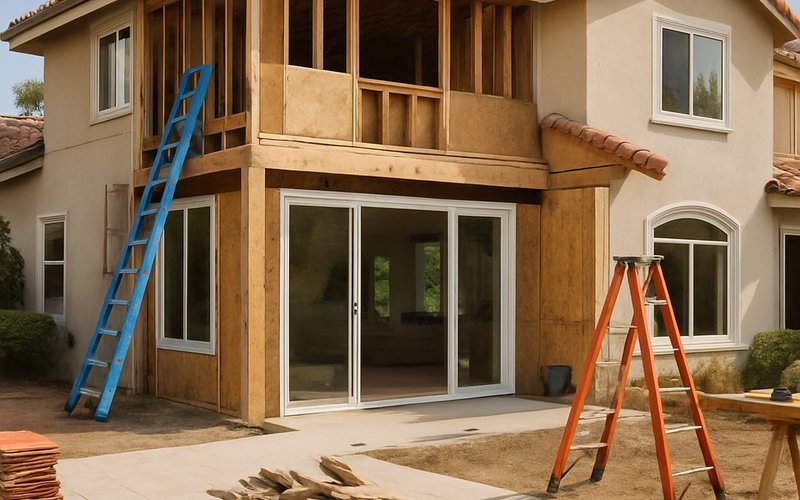
Each phase of a whole-home remodel has its own pace, and understanding what drives each one helps you stay ahead of delays instead of reacting to them.
Design and Architecture: 6–12 Weeks
This is where the clock starts, and it’s where most homeowners underestimate the time investment. Good design for a full-home remodel means detailed construction drawings, structural calculations if you’re moving walls, and interior design selections that need to be finalized before permits can be filed. Expect 6–8 weeks for a well-organized 1,500 sq ft project, and 10–12 weeks if your home has complex structural changes, a room addition, or a complete kitchen redesign requiring engineering review.
Permit Submittal Through the City of San Diego DSD: 8–16 Weeks
The City of San Diego Development Services Department handles all residential building permits through their ePlan digital submittal system. For a whole-home remodel, you’re typically looking at a standard plan check, which runs 8–12 weeks in normal DSD review cycles. That’s not a delay — that’s the baseline.
Historic and view-corridor overlay zones like Mission Hills and Bankers Hill add time.. Historic district review in Mission Hills can push permit approval to 14–16 weeks or beyond. The DSD’s ePlan system helps track your application status, but resubmittals after corrections add another 3–4 weeks per cycle. Working with a contractor who knows how to submit clean plans the first time is worth real money.
Demolition: 1–2 Weeks
Demolition moves fast on a whole-home project. Most full-home demo wraps in one week for a standard home, two if you’re dealing with hazardous materials. San Diego homes built before 1980 often contain asbestos in textured ceilings, floor tile adhesive, or duct insulation. A licensed abatement contractor needs to test and clear those materials before general demo can proceed, adding 7–14 days you may not have budgeted.
Rough Framing and MEP: 4–8 Weeks
Mechanical, electrical, and plumbing rough-in is where whole-home projects get complicated. Every trade is sequencing through the same spaces. Framing inspections, rough electrical inspections, and rough plumbing inspections each require a DSD inspector visit, and scheduling those typically adds 3–5 business days per inspection in San Diego’s current market. That time adds up across a full home.
Finishes and Fixtures: 6–12 Weeks
Tile, cabinetry, countertops, flooring, paint, trim, and fixtures all come together in this phase. The length depends almost entirely on whether your materials are pre-staged or still on order. More on that in the delays section below.
Punch List and Final Inspection: 2–4 Weeks
The punch list phase is shorter than people expect if the project has been run tightly. But final DSD inspection scheduling in San Diego can take 1–2 weeks to get on the calendar. Plan for it.
How Do San Diego Permits Slow Down a Whole-Home Remodel Timeline?
In San Diego, permits are the single biggest variable in your whole home remodel timeline, and understanding how the DSD review process works gives you a real edge in planning.
There are three tracks your permit application can follow, and each has a different time horizon:
- Over-the-counter approval: Reserved for simple, non-structural scope. A whole-home remodel almost never qualifies. But minor scope items within a larger project sometimes get OTC stamps if separated correctly.
- Standard plan check: This is the path for most full-home remodels. The DSD targets 8–12 weeks for initial review, though real-world timelines in 2024–2025 have run closer to 10–14 weeks for complex residential projects.
- Coastal Development Permit overlay: If your property sits within San Diego’s coastal overlay zone, you’re looking at an additional layer of review that routinely adds 4–6 weeks to the timeline. Bankers Hill properties near the Balboa Park edge are a common example where view-corridor rules require additional DSD scrutiny.
The DSD’s ePlan system lets you submit digitally and track correction cycles online. But corrections are where projects lose real time. Each correction cycle, from city comment to resubmittal to re-review, typically runs 3–4 weeks. A project with two correction cycles before approval can lose 6–8 weeks relative to a clean-submittal project. This is exactly why hiring a contractor with documented DSD plan-check experience matters so much.
If you want a deeper look at how permits work for specific additions, the guide to luxury home addition permits in San Diego breaks down permit types, fees, and what to expect from the DSD review process.
Which San Diego Neighborhoods Have the Longest Remodel Timelines?
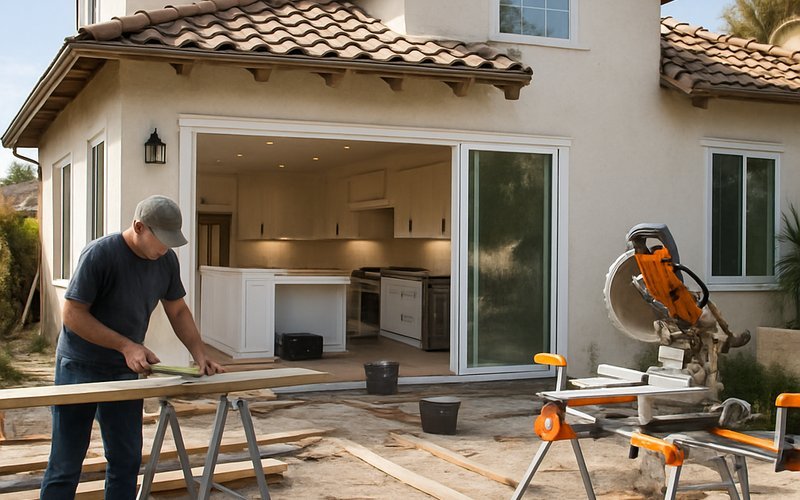
Not all San Diego neighborhoods are equal when it comes to permit timelines. Geography, historic designation, and coastal overlay zones create real differences in how long the DSD review process takes.
Mission Hills: Historic District Review Adds Weeks
Mission Hills is one of San Diego’s most recognized historic districts. That designation means any exterior modifications, and some interior changes that affect the character of the structure, require review under the city’s historical resources guidelines before a building permit can be issued. A homeowner in Mission Hills who recently added a kitchen and two bathrooms waited 14 weeks for permit approval, compared to 9 weeks for a comparable project in North Park under standard DSD review. That’s a five-week gap driven entirely by the historic review layer.
If you’re buying in Mission Hills specifically to renovate, price that extra time into your rental housing budget and your contractor’s scheduling hold.
Bankers Hill: Coastal Adjacency and View Corridor Rules
Bankers Hill sits on the western bluff edge with canyon and bay view-corridor protections. Projects that affect rooflines, add square footage, or modify elevations visible from public rights-of-way can trigger additional DSD review under view-corridor and community plan regulations.. Projects that affect rooflines, add square footage, or modify elevations visible from public rights-of-way can trigger additional DSD review under the coastal development permit overlay. For a full-home remodel in Bankers Hill, budget 12–16 weeks for permit review as a baseline, not an outlier.
North Park: Standard DSD Timelines Apply
North Park is a useful contrast. It’s an active remodel market with no historic overlay and no coastal adjacency in most of the neighborhood. Standard DSD plan check timelines apply, meaning a well-prepared submittal for a full-home remodel typically sees first review in 8–10 weeks. That’s still not fast, but it’s meaningfully shorter than what Mission Hills or Bankers Hill homeowners face.
What Causes Whole-Home Remodel Delays in San Diego Beyond Permits?
Permits get all the attention, but they’re not the only thing that pushes a San Diego whole-home remodel past its original timeline. Here’s what else you need to account for.
Material lead times are the silent schedule killers. Custom cabinetry through San Diego-area suppliers currently runs 10–14 weeks from order to delivery. Stone fabrication for countertops is 4–6 weeks after slab selection. Large-format tile with special orders can run 6–8 weeks. If you’re waiting until permits are approved to order materials, you’ve just added two to three months to your finish phase.
Subcontractor availability in San Diego is genuinely tight. The region’s construction labor market has been competitive for several years, and specialty trades like custom tilework, finish carpentry, and plaster restoration book out 6–10 weeks in advance. A contractor who doesn’t have those relationships locked in before breaking ground will be scrambling mid-project.
Change orders are another honest reality. Most homeowners change something once they see the space opened up. Each change order that affects permitted scope requires a DSD amendment, which can add 2–4 weeks depending on the scope of the change. Keep design decisions locked before permits are filed.
Honestly, most whole-home remodels in San Diego run 3–6 weeks over initial projections. Build that buffer into your plan from day one, not as a contingency you hope not to use.
How Do You Keep a Whole-Home Remodel on Schedule in San Diego?
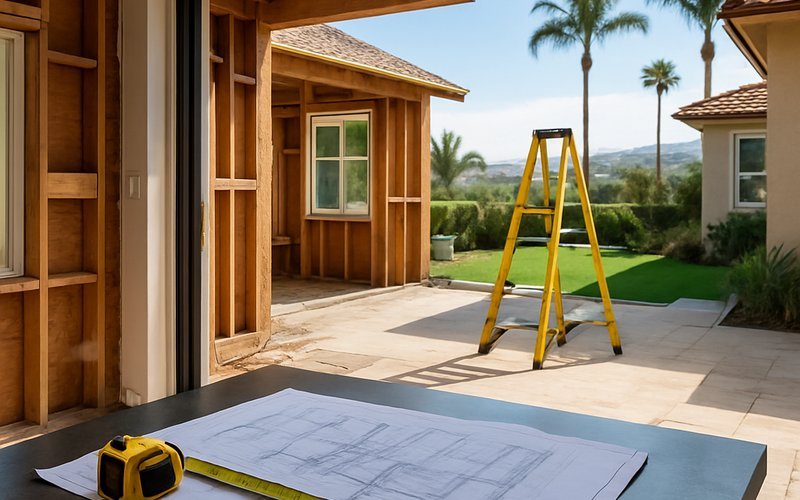
Staying on schedule is a shared responsibility between you and your contractor. The homeowners who finish closest to their original timeline are the ones who make decisions early and stay out of the project’s critical path.
| Phase | What the Homeowner Should Do | What the Contractor Should Do |
|---|---|---|
| Design Phase | Finalize all selections (tile, fixtures, cabinetry) before permit submittal | Submit complete, clean plans to DSD — no placeholder specs |
| Permit Review | Avoid scope changes that require plan amendments | Respond to DSD corrections within 5 business days; use ePlan efficiently |
| Pre-Construction | Approve material orders before permit is issued | Lock subcontractors’ schedules; place cabinet and stone orders at submittal |
| Rough Construction | Be available for daily decisions; minimize site visits that create delays | Schedule inspections proactively; sequence MEP trades to avoid gaps |
| Finishes | Have all finish materials staged on site before trades arrive | Coordinate delivery windows; manage punch list items in real time |
| Close-Out | Complete final walk-through within 48 hours of request | File for final DSD inspection the moment punch list is cleared |
One thing that genuinely shortens the overall timeline is working with a design-build firm that handles permit filing, vendor coordination, and subcontractor scheduling under one roof. When the designer and the builder are the same team, you’re not losing weeks to handoff gaps between separate firms. For homeowners looking at a full-home remodel, firms offering luxury home remodeling in San Diego with integrated design-build services can often compress the pre-construction phase by 4–6 weeks compared to a traditional GC-and-separate-architect model.
Your contract should also include a detailed construction schedule with milestone dates, not just a start date and estimated completion. Ask to see the schedule before you sign anything.
What’s the Right Time of Year to Start a Whole-Home Remodel in San Diego?
San Diego’s mild climate means exterior work isn’t weather-dependent the way it is in markets with harsh winters. You won’t lose weeks to frozen ground or rain delays. But that doesn’t mean timing is irrelevant.
The DSD permit volume peaks in spring, typically March through May, when homeowners submit projects hoping to start summer construction. That volume spike pushes first-review timelines 2–4 weeks longer than the rest of the year. Starting your design phase in October and submitting permits in December or January has historically produced faster DSD turnaround, often hitting that 8-week baseline instead of the 12–14 weeks common in spring.
Labor availability also tightens from May through August. San Diego’s construction market is busy in summer, and the best subcontractors are booked. If you’re starting permits in December, your permit approval lands in February or March, right as the better subcontractors are still available for spring booking.
Material pricing fluctuates year-round, but there’s no clear “cheap season” for quality fixtures and custom cabinetry. Your bigger lever is lead time management, not seasonal pricing.
So the honest answer: if you want the best combination of faster permits, better subcontractor availability, and smooth scheduling, start design in the fall and target a January–February permit submittal.
How Do You Choose the Right Contractor for a Full-Home Remodel in San Diego?
Choosing the right contractor is the single decision that most determines whether your whole home remodel timeline in San Diego stays on track or falls apart by month six. Here’s what to actually evaluate.
Verify their CSLB license. For a whole-home remodel, you need a Class B General Contractor license. You can verify any contractor’s license at the California State License Board website in under two minutes. Don’t skip this step.
Ask specifically about DSD permit experience. How many full-home remodel permits have they filed with the City of San Diego Development Services Department in the last two years? What’s their resubmittal rate? A contractor who files clean plans the first time saves you weeks. A contractor who regularly hits correction cycles is a timeline liability.
Understand the design-build vs. GC-only distinction. A traditional GC manages construction but relies on your architect or interior designer to produce the permit documents. Any miscommunication between those parties delays permits and creates change orders. A design-build firm owns the entire process from drawings to final inspection, which compresses the timeline and puts accountability in one place.
Evaluate subcontractor relationships. Ask who their plumber, electrician, and tile installer are. Do those subs work with them exclusively, or are they calling around each project? Contractors with dedicated subcontractor teams schedule faster and have fewer coordination gaps.
Before you hire anyone, check reviews for full-home remodel experience specifically, not just kitchen or bathroom work. A contractor who has managed a complete whole-home project through the DSD permit process in Mission Hills or Bankers Hill has a different skill set than one who has only done single-room renovations. You can review project portfolios and scope at what high-end home remodels actually cost in San Diego to calibrate your budget alongside your contractor search.
Ready to build a realistic schedule for your project? Start with a consultation with a licensed San Diego design-build contractor who can review your specific home, neighborhood permit requirements, and material selections before giving you a timeline that actually holds.